
What Kave Home's Growth Says About Furniture Marketing Right Now
There's a furniture brand from Catalonia, Spain, that I've been thinking about a lot lately.
Kave Home. Tracing its roots back to 2013 as a digital startup and pure player, they have built something remarkable. In less than a decade, they grew from €21 million in annual revenue to €262 million — expanding to 146 points of sale across five continents along the way. In a global furniture market as competitive and fragmented as furniture retail, that kind of scaling at that speed from a digital-first foundation is worth paying attention to.
This isn't a case study in how to copy what they did. It's more a starting point for thinking about what's actually working in furniture marketing today, and what that might mean for design brands with different audiences and different ambitions.

Who Kave Home is
It helps to be clear about where Kave Home sits in the market before drawing any conclusions from their approach.
Their CEO Francesc Julià describes the brand's positioning as "accessible luxury" — design-forward furniture at prices that make the purchase feel considered but not out of reach. Emerging from their digital startup background, they have expanded from URL to IRL while maintaining absolute control. Their product range emphasises durability and sustainability, and they maintain oversight over their entire production process, from prototyping through to manufacturing.
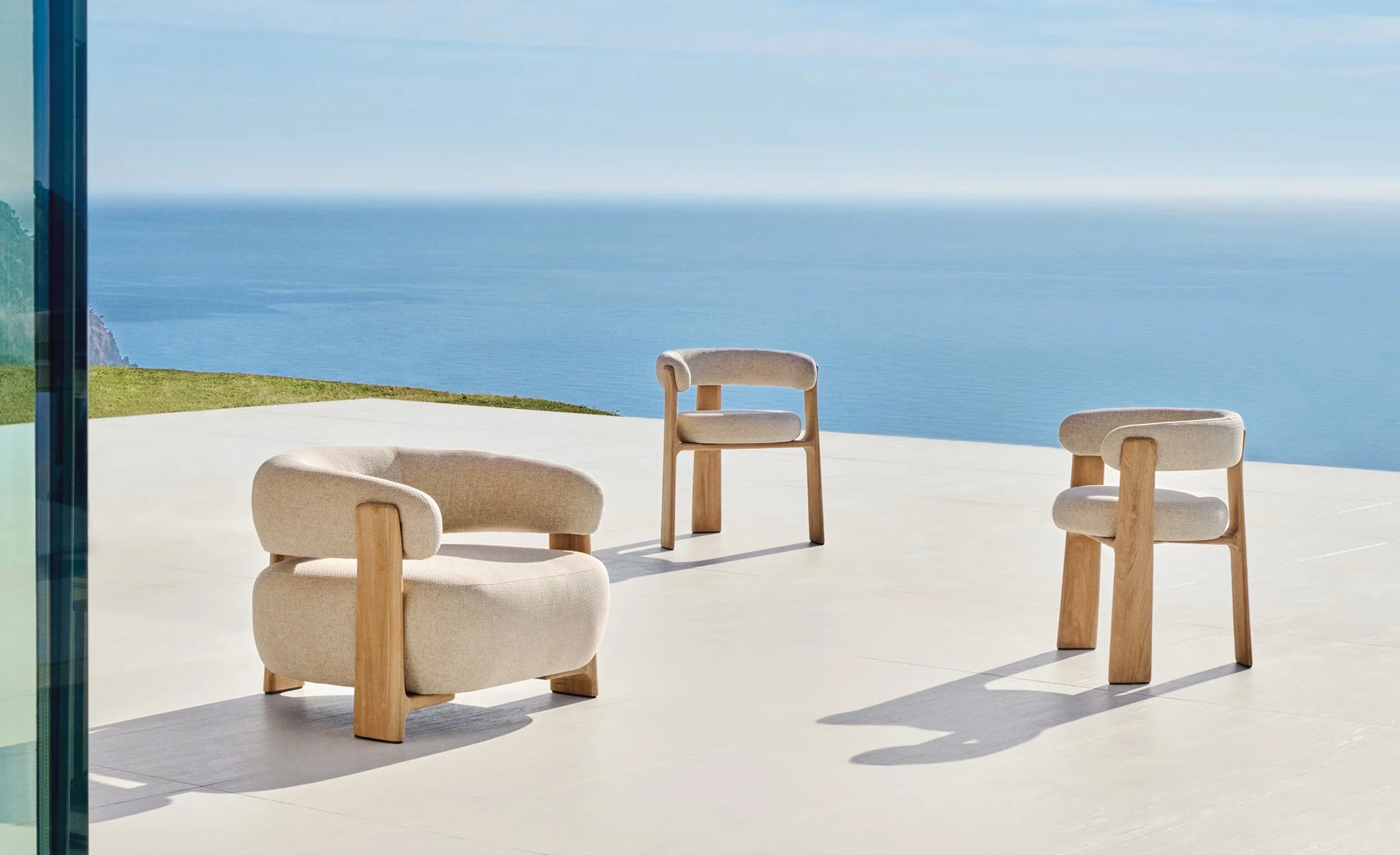
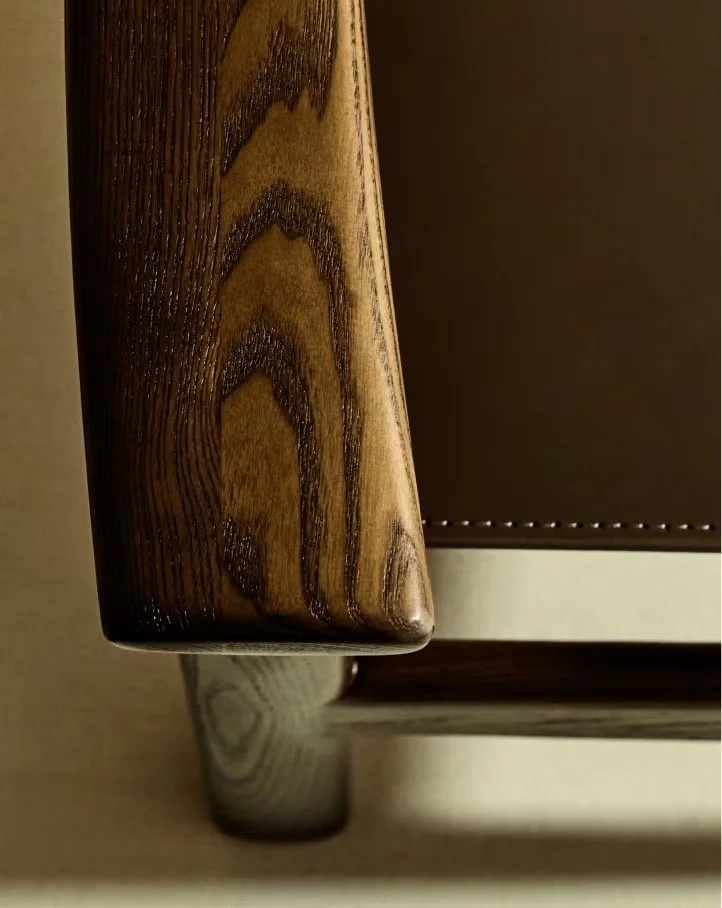
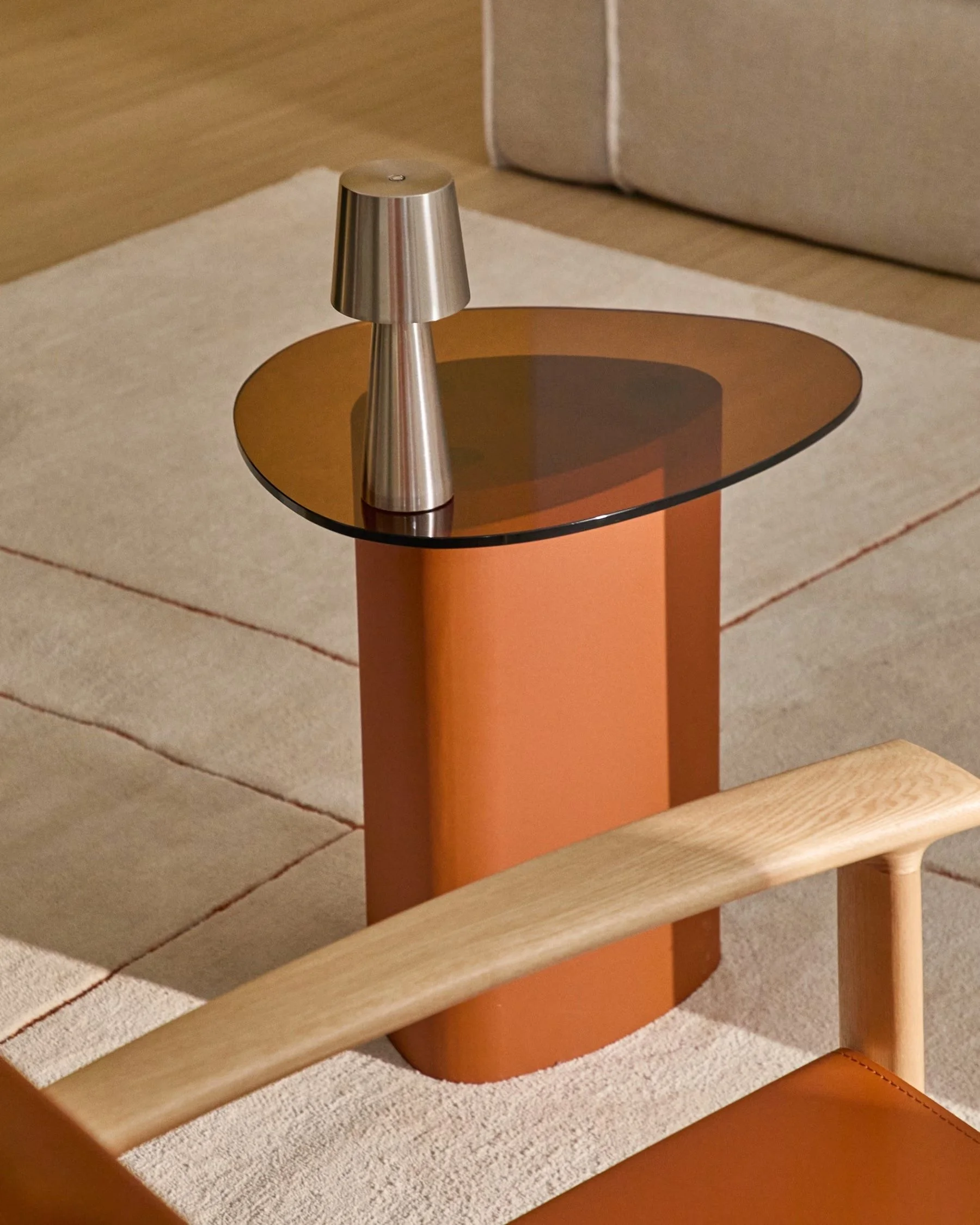
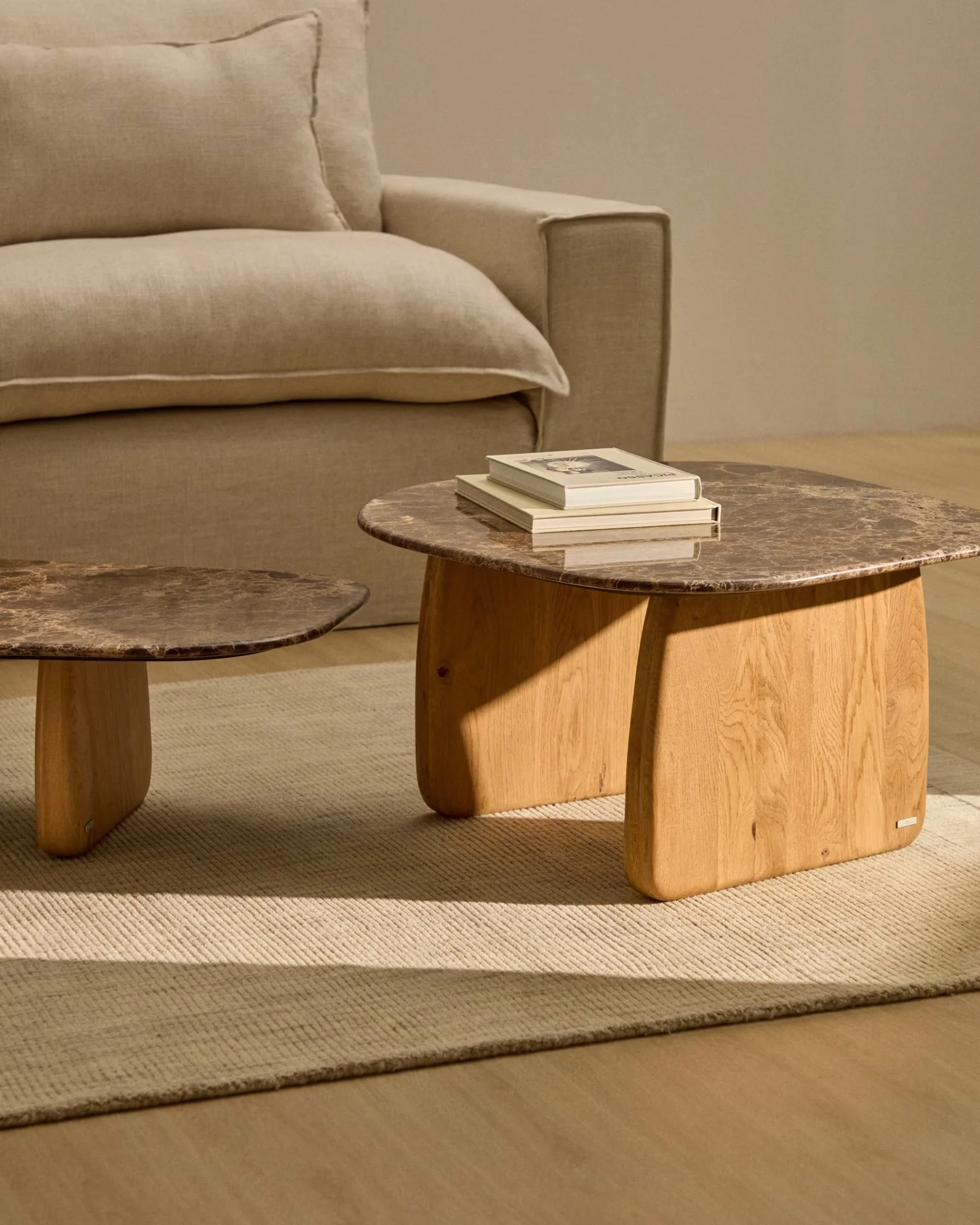
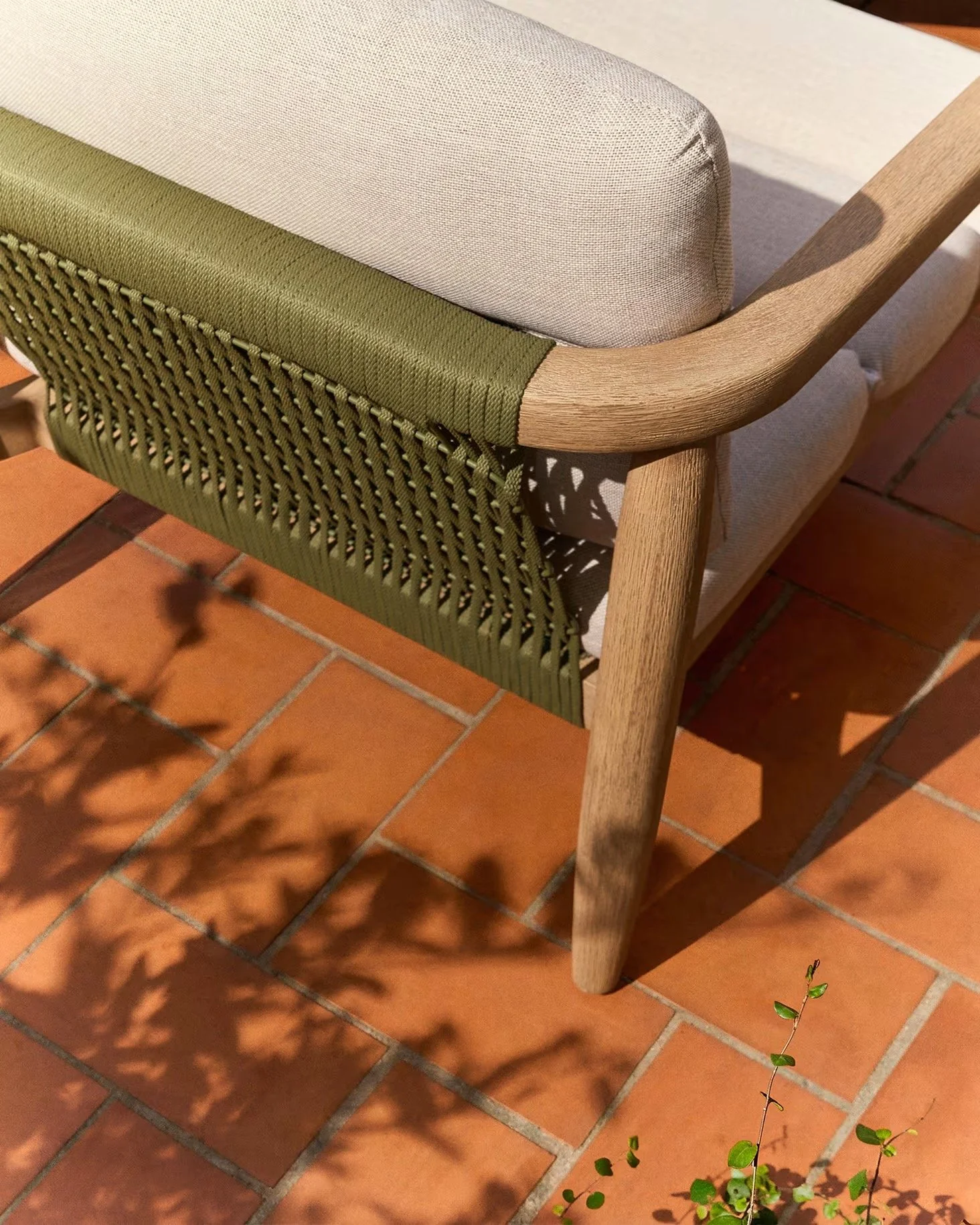
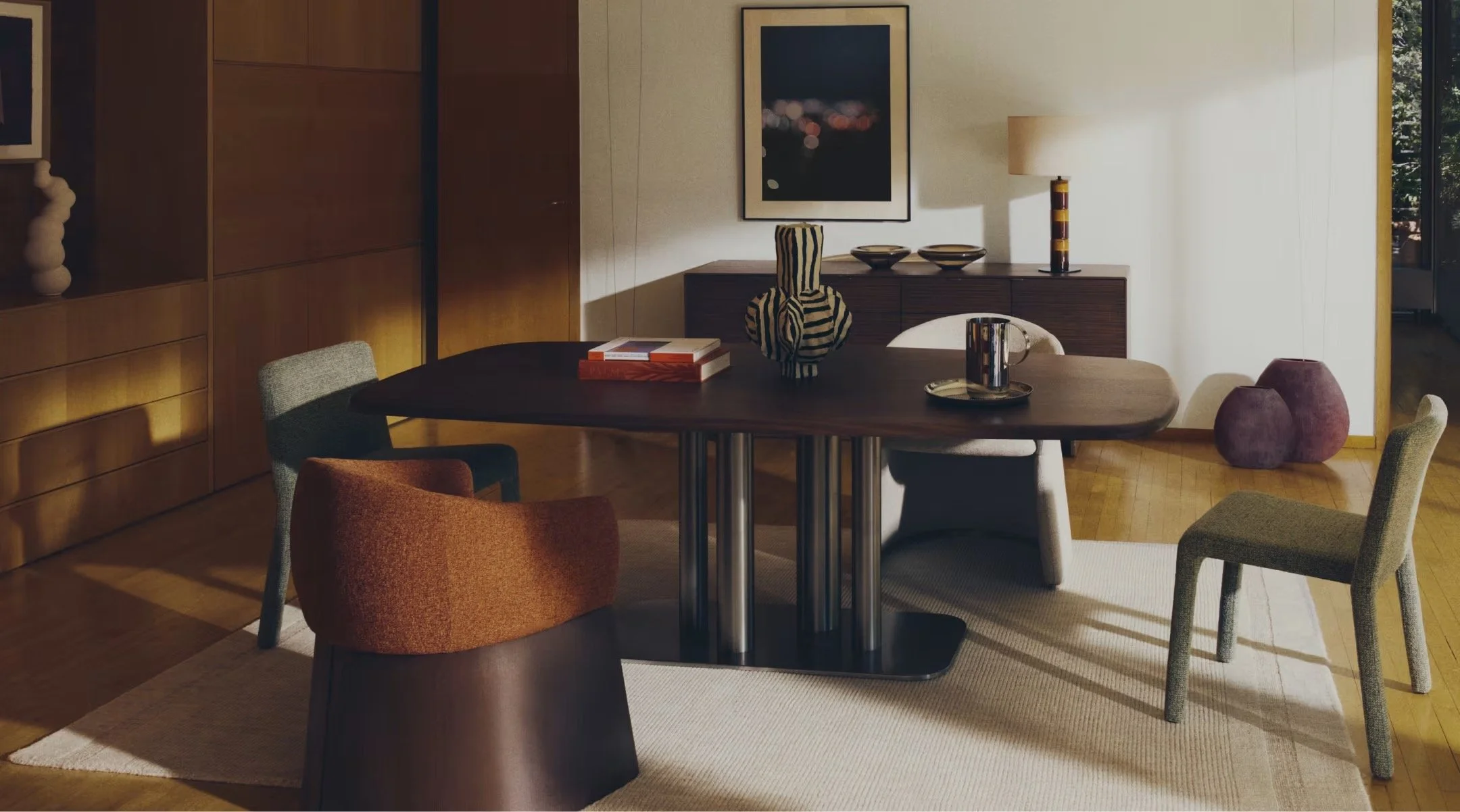
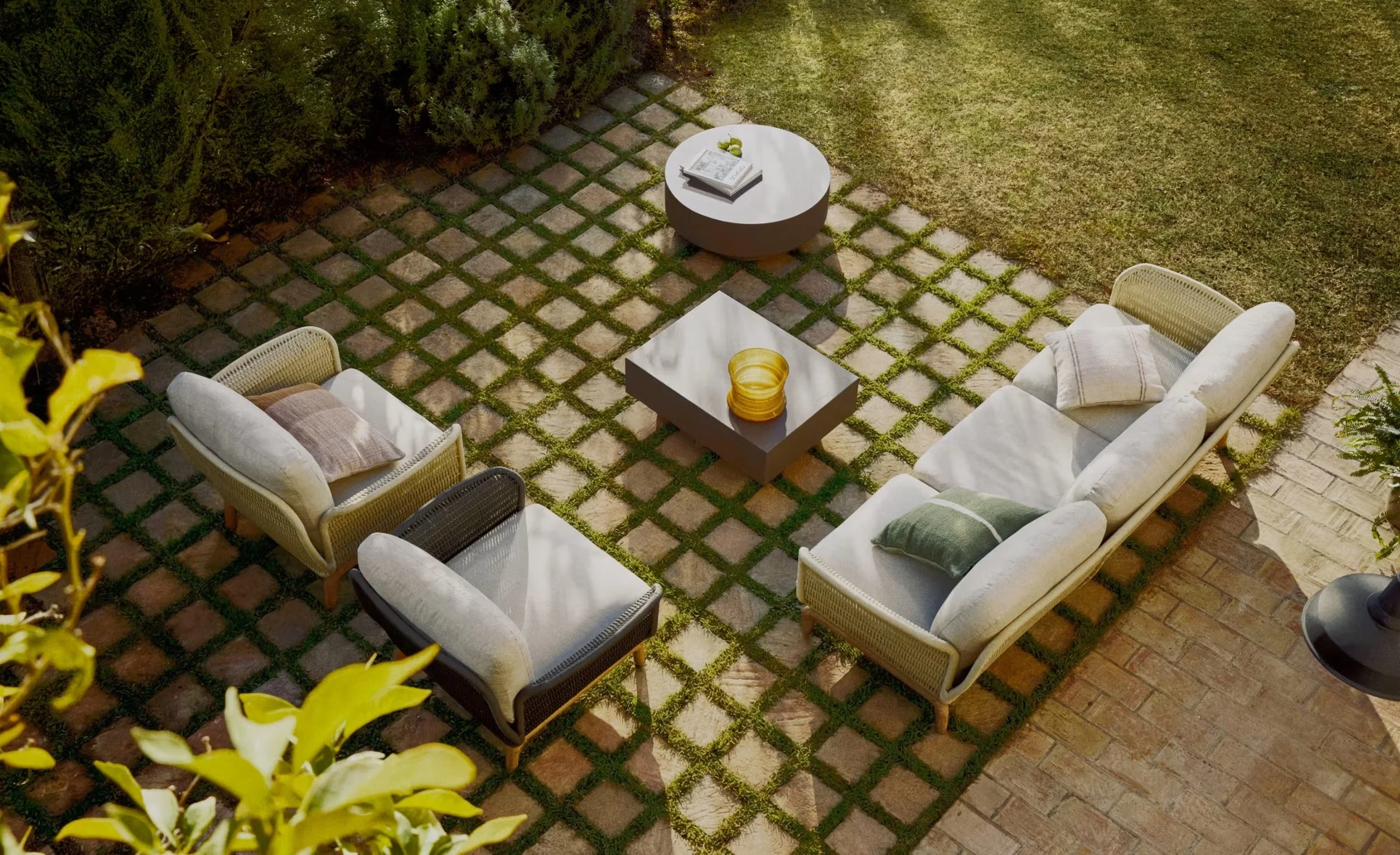
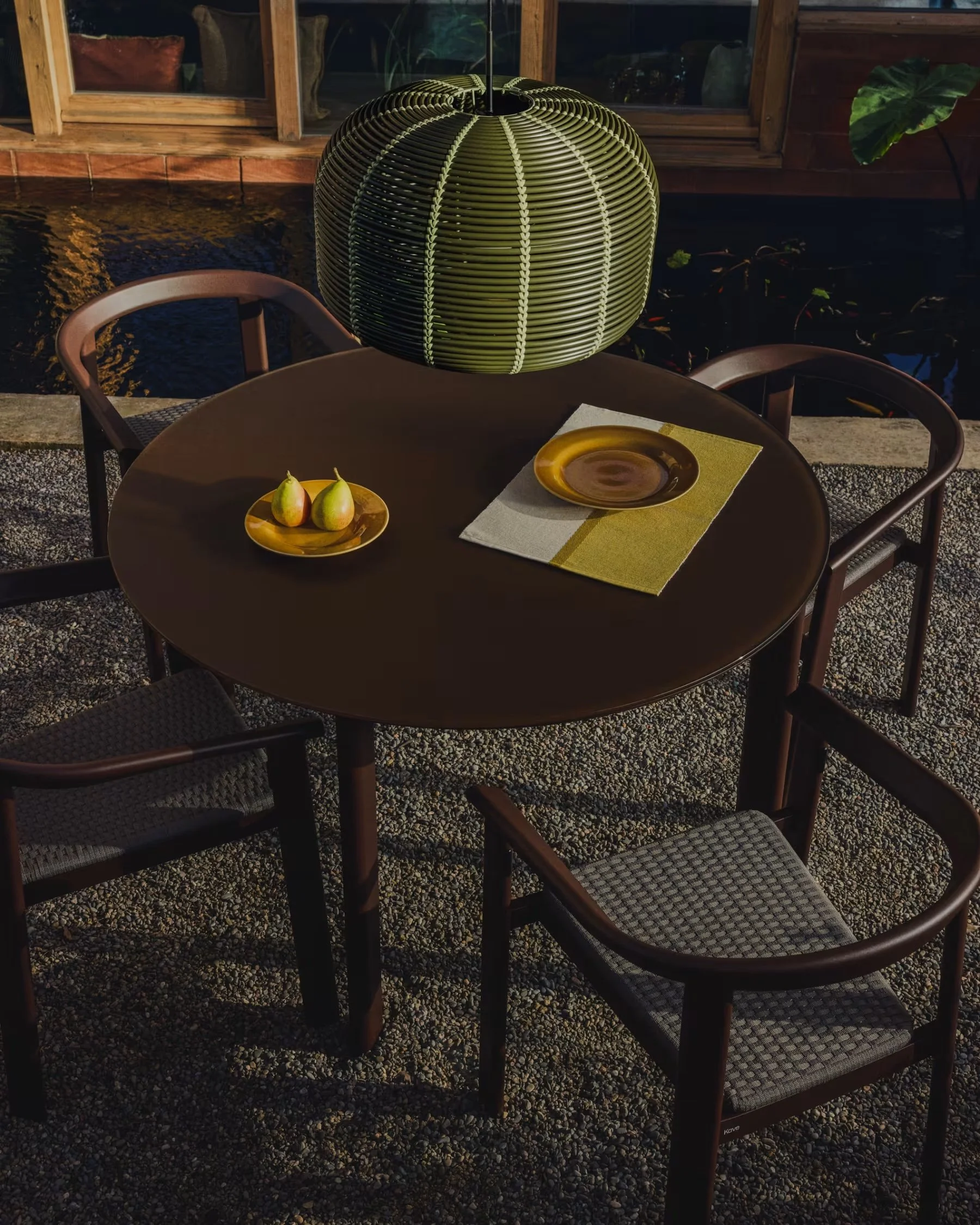
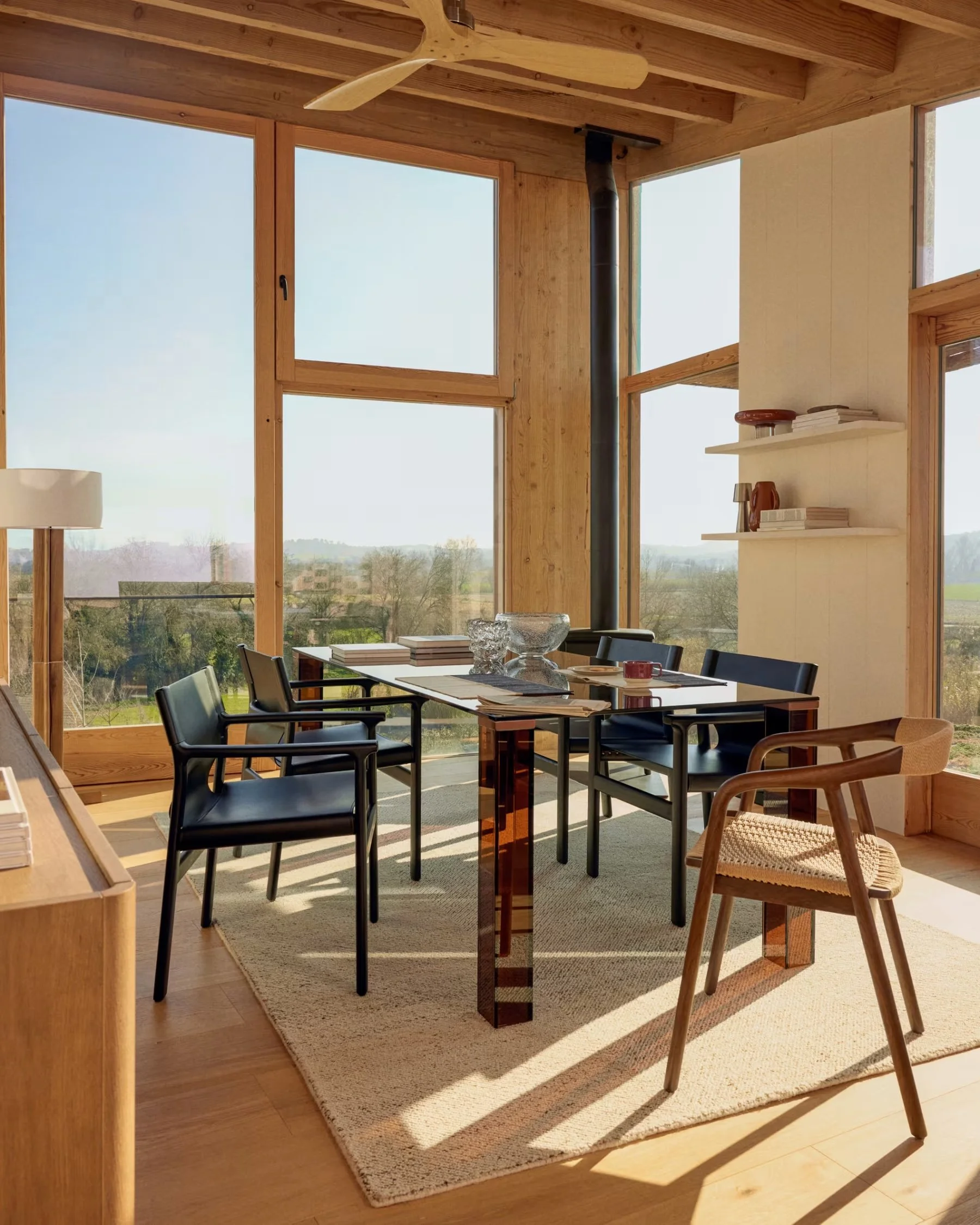
On Instagram, they have 1 million followers, follow 643 accounts, and have published over 3,300 posts. Their content is warm and lifestyle-focused — rooms rather than products in isolation, seasonal awareness, a consistent visual tone across the feed.
This is the context for everything that follows.

The question we hear most from design furniture brands
Almost every furniture or design brand I speak to is grappling with some version of the same thing:
"Our product is good. The photography is there. But when someone is weighing us up against other brands at a similar price point — why would they choose us?"
It's not a question with a single answer. But Kave Home's trajectory offers one way of thinking about it — not as a formula to follow, but as a useful frame.
Their growth didn't happen in a category vacuum. The global furniture market is crowded, aesthetics have converged across price points, and design-conscious consumers have more options than ever. What Kave Home appears to have understood — and built around — is that the decision to buy furniture is rarely impulsive. It's considered, it takes time, and the brands that tend to win are the ones that stay present and coherent across the full length of that consideration.
What their Instagram is actually doing
Looking at @kavehome, a few things stand out.
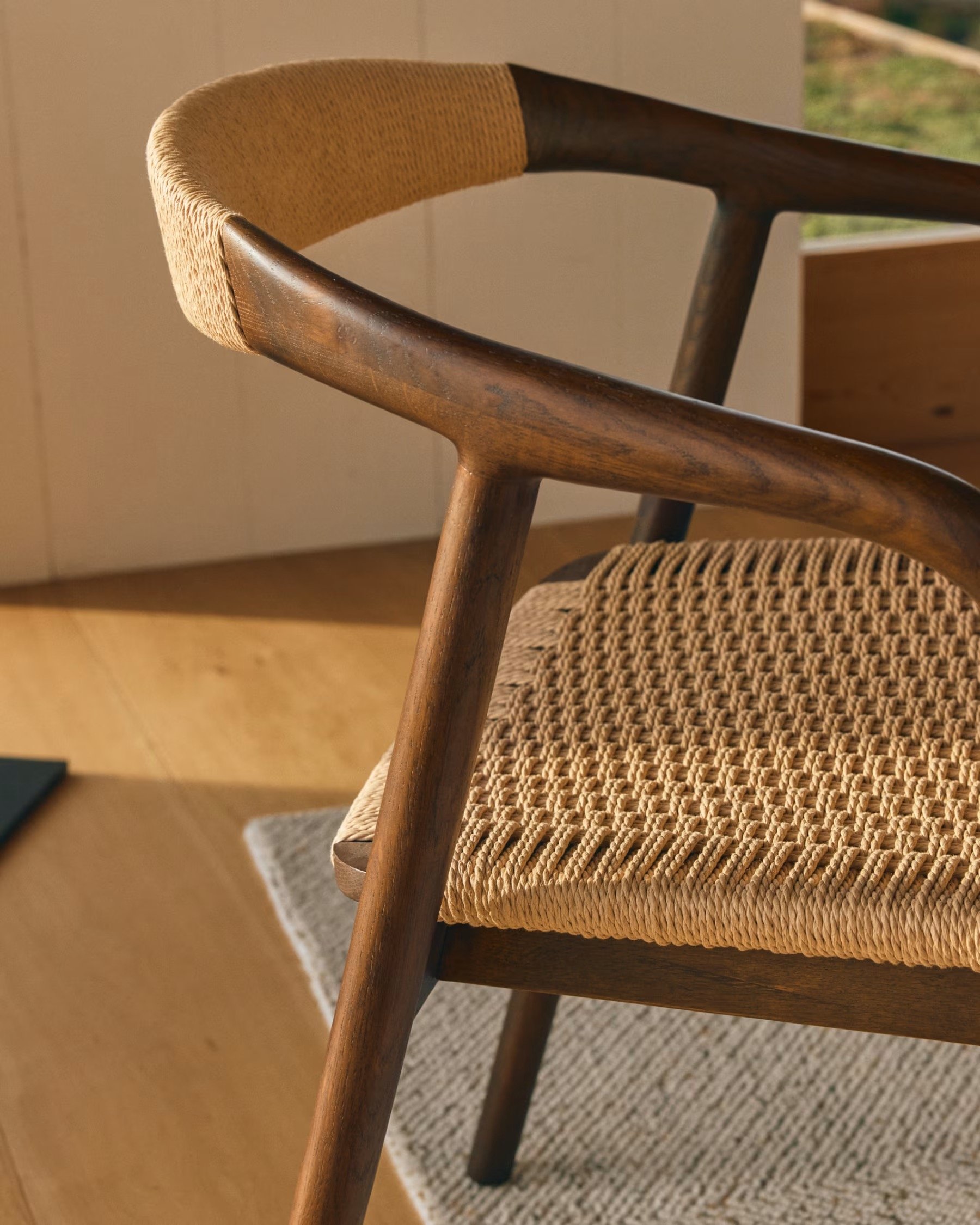
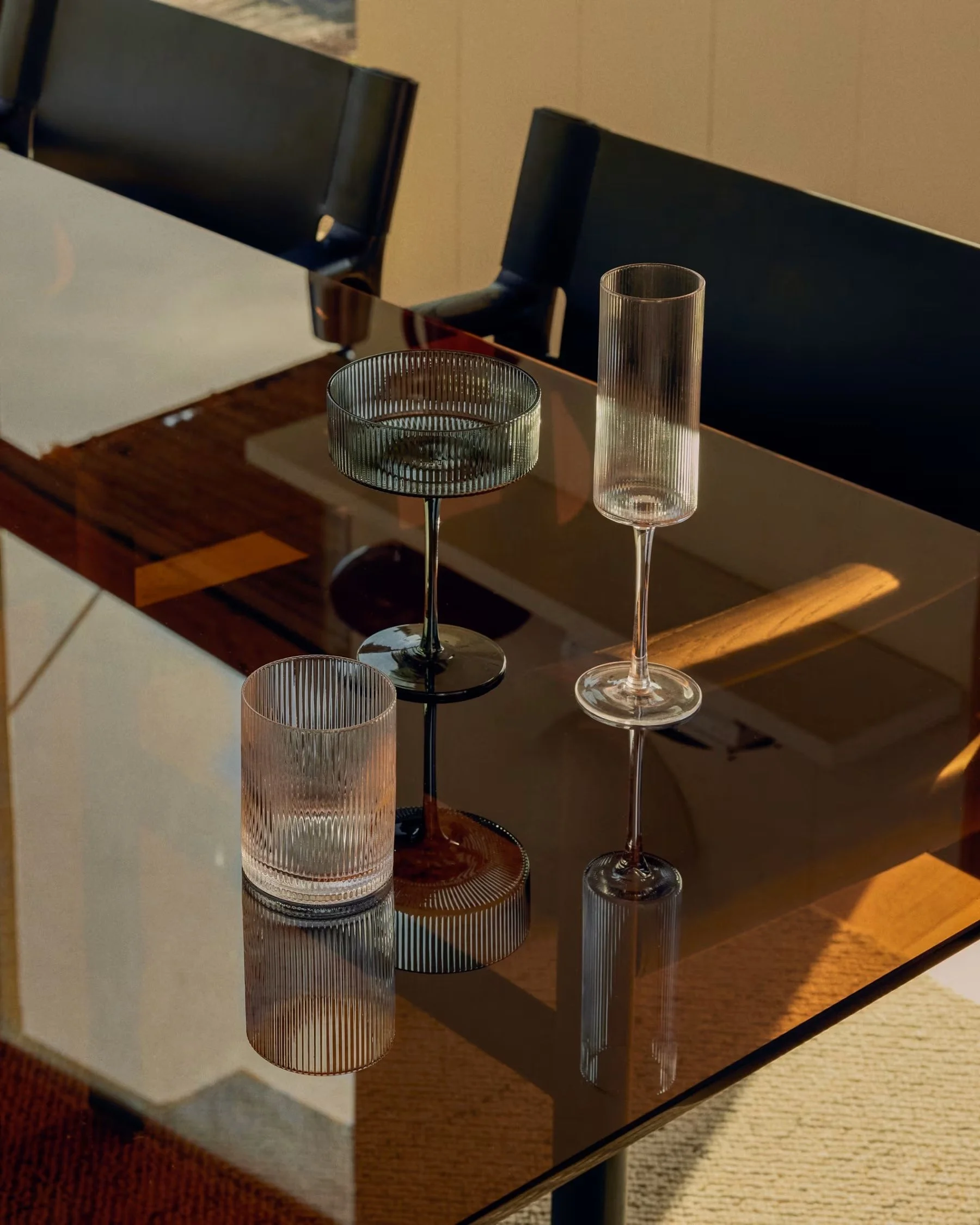
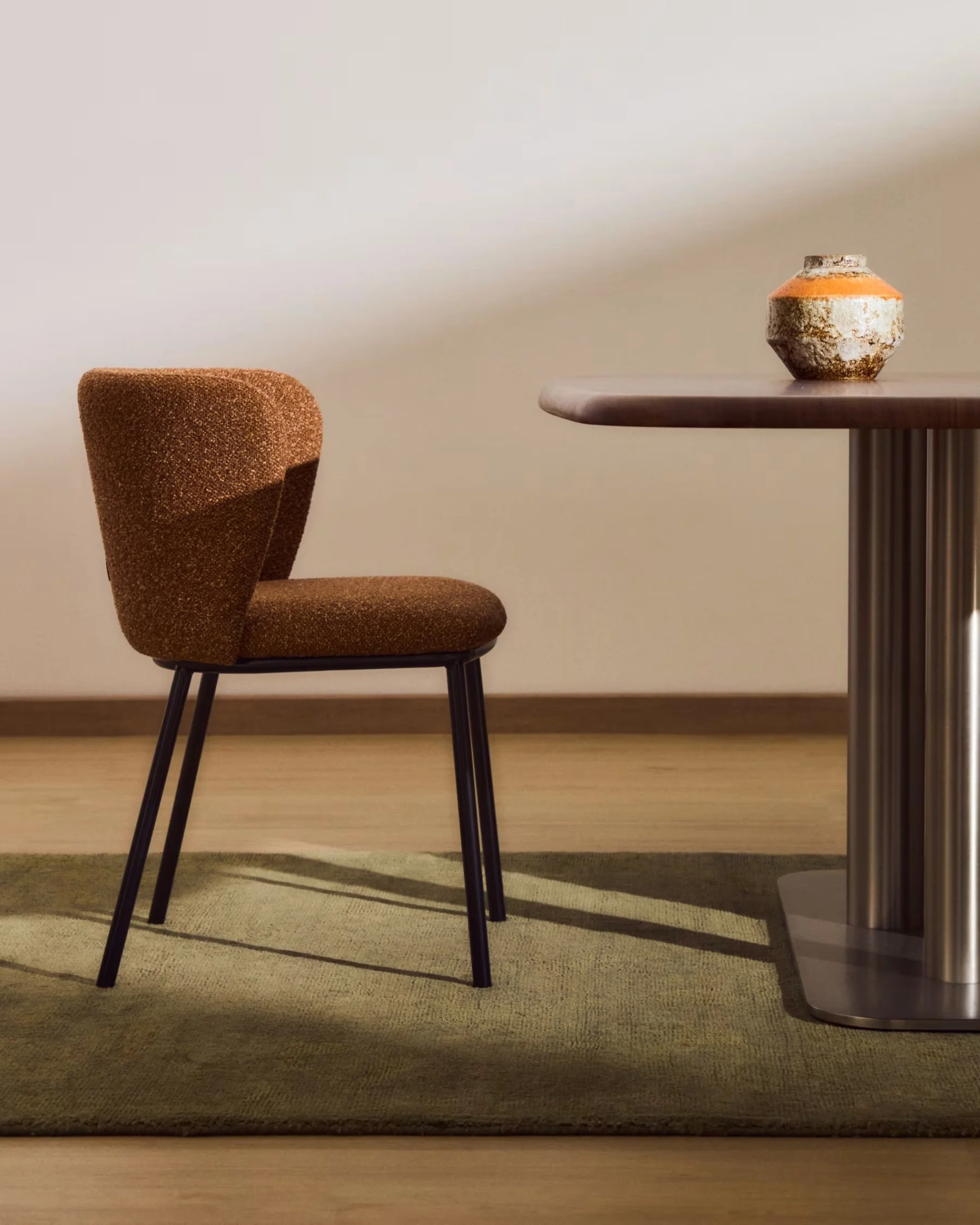
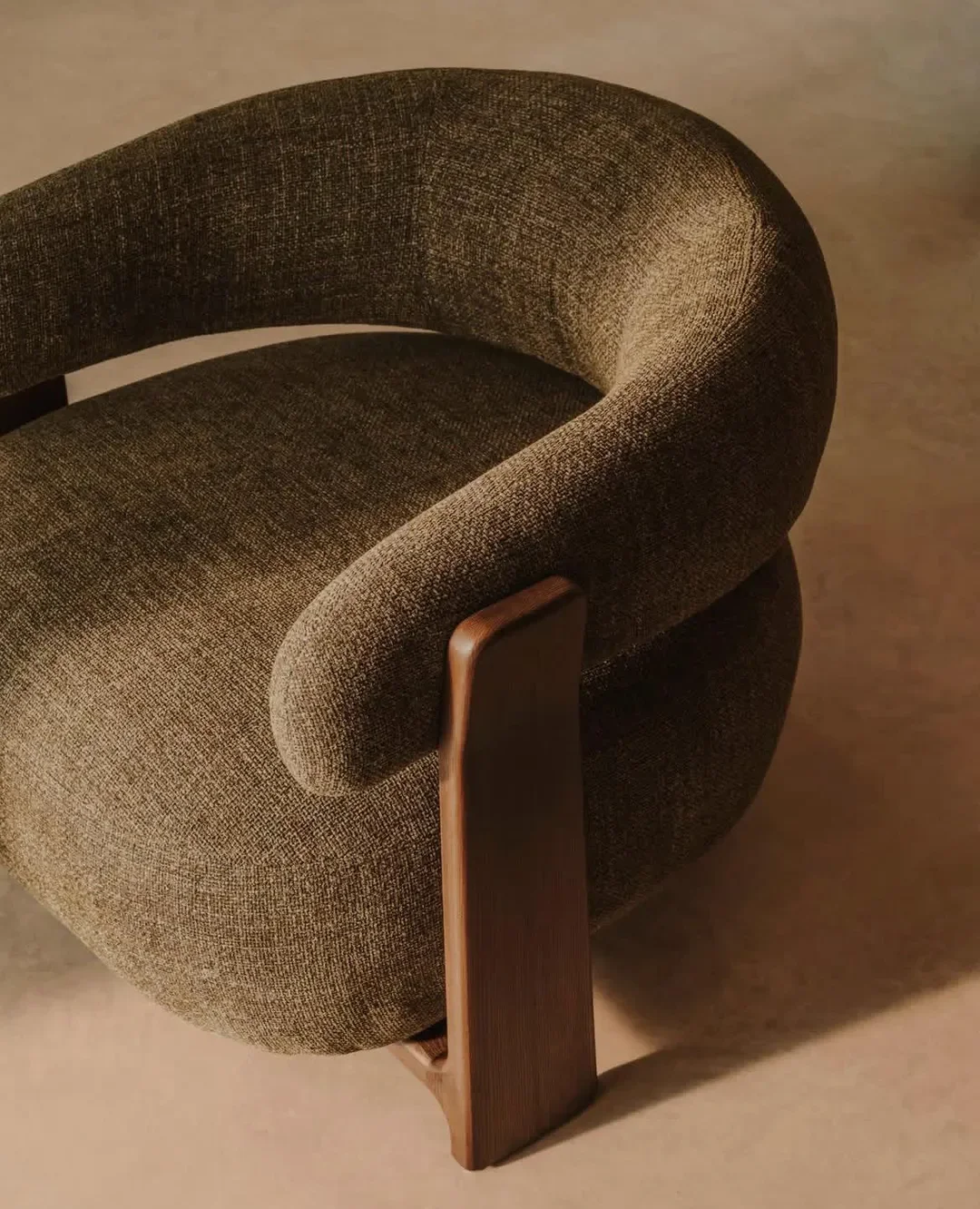
The content isn't primarily about individual products. It's about a world — how spaces feel, how light works, how a room comes together over time. Products appear within that world, but they're not the starting point.
Their posting rhythm is consistent without being relentless. Over 3,300 posts across what is now a decade-old account suggests a sustainable cadence — regular enough to stay present in the feed, considered enough to maintain a coherent visual language.
They also follow 643 accounts — notably more than brands like HAY, which follows only 45. This likely reflects a more active approach to community and industry engagement, which fits a brand focused on broad accessibility rather than aspirational distance.
None of this is the only way to run a furniture brand's social presence. But it reflects a clarity about what the channel is for: staying in front of the right people, over time, until they're ready to act.
Where the Kave Home model translates — and where it needs adapting
This is the part I find most interesting to think through, because I don't think Kave Home's approach is directly transferable to every design furniture brand.
Their accessible luxury positioning means their purchase cycle is, broadly speaking, shorter than that of a higher-end design brand. Someone might move from discovery to purchase in a matter of weeks. Their content reflects this — it's warm and inspirational, but also relatively direct about products and how to buy them.
For a design furniture brand working at a higher price point, or selling to specifiers like interior designers and architects, the dynamic is different. The decision takes longer. The buyer is doing more research. The role of social content shifts — from conversion-focused to trust-building over a longer arc.
In my experience, what tends to matter more at this end of the market is specificity and depth. Not necessarily more content, but content that gives a serious buyer something to engage with — the thinking behind a piece, the material decisions, the provenance. The kind of detail that a casual observer skips past but that a genuine prospect finds genuinely interesting.
That's not a criticism of what Kave Home does. It's a reflection of the fact that different audiences need different things from the brands they're considering.
The part that seems most transferable regardless of positioning
One thing that I think applies across the board — from accessible luxury to bespoke studio — is the idea of treating social media as part of a connected system rather than a standalone channel.
Kave Home's Instagram feeds into their website, which connects to their physical showrooms, which reinforce the brand their online audience has already encountered. The same story, at different depths, for someone at different stages of deciding.
From what I observe working with design brands, this integration — or the absence of it — is often the difference between a social presence that contributes to business growth and one that simply exists. It's less about how many posts go out each week and more about whether each channel is doing a specific, considered job in how a buyer moves from first awareness to first enquiry.
A thought on where this leaves smaller design brands
Kave Home's scale means they can invest in reach. Volume, broadly distributed, across multiple markets and channels. That's the right strategy for them.
For a smaller design furniture brand — one making considered pieces for a specific kind of buyer, in a handful of markets — the equivalent investment is probably depth rather than reach. Being known well by fewer people, rather than known vaguely by many.
Instagram, in that context, isn't primarily a growth channel. It's a trust-building one. And trust, for a considered purchase, is built slowly — through consistency, through specificity, through showing up with something worth seeing over the months it actually takes someone to make this kind of decision.
Kave Home understood this at their scale. The same principle, applied thoughtfully, works at any scale.
If any of this raised questions about your own brand's approach, We offer a free mini audit — a short set of practical notes, no pitch, no slides.
Send a message
Photos credit:kavehome.com
